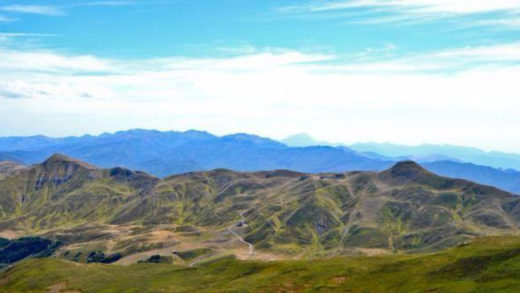
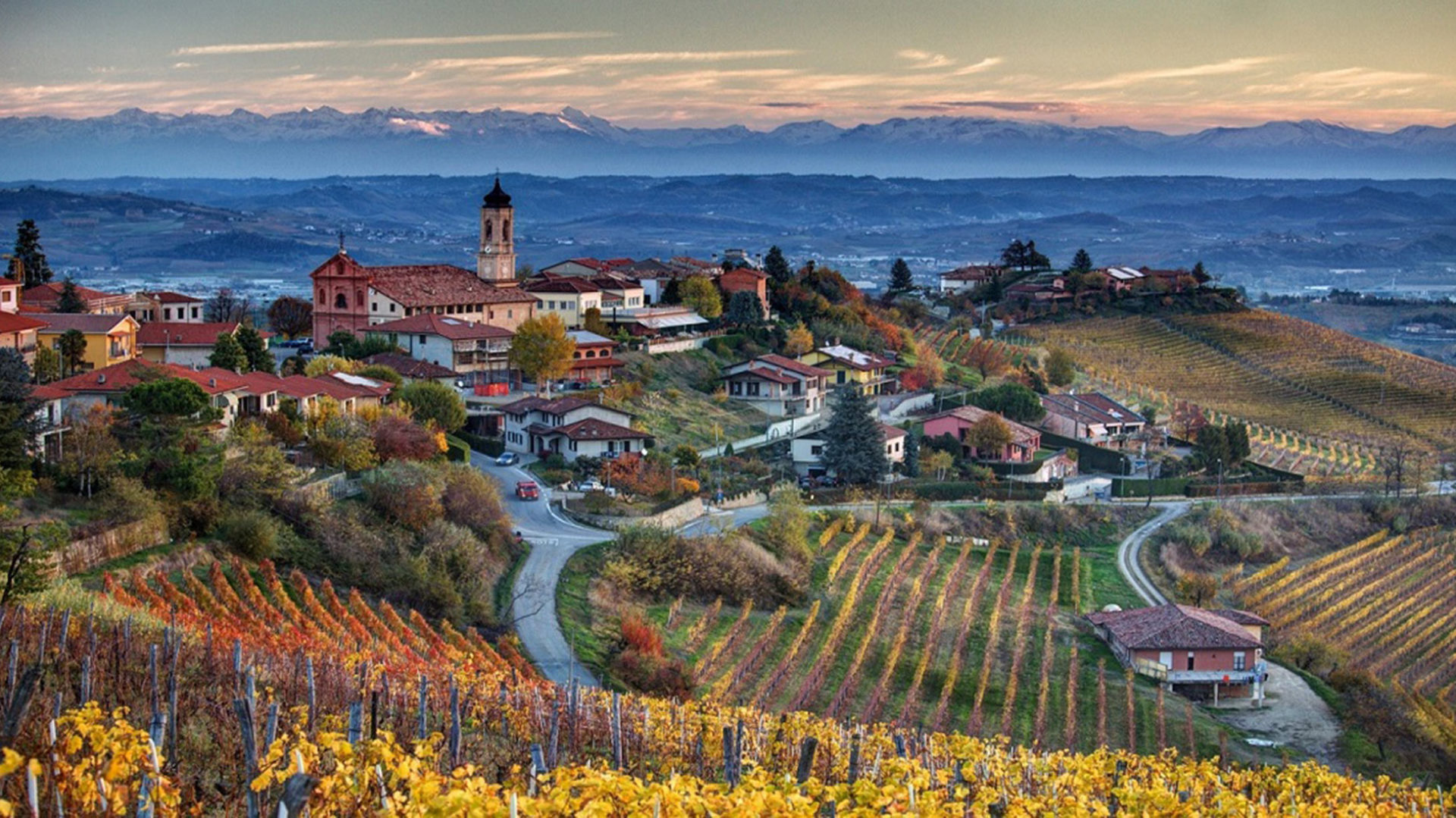
Alessandria, so named in honour of Pope Alessandro III, stands in a huge expansion of fields, where mainly wheat and corn grow, in a very evocative show that also highlights the importance of this territory in terms of agriculture.
The first town centre of Alessandria was made up of Borgo Rovereto, which developed around the old church of Santa Maria di Castello and where all traces of its defensive ramparts have disappeared, Marengo and Gamondio, but it seems that the real foundation of the city can be attributed to the Lombard League in 1168, when the group of villages joined as allies against Barbarossa.
Barbarossa subjected the newborn Alessandria to an incredibly harsh siege that was suspended due to other pressing interests, and it is from this historical context that the legend of Gagliaudo emerged; now it is the symbol of the city and remembered each year in October with a special city event. It is said that the peasant population suggested feeding a cow with the last food reserves remaining in the city to then take it to graze outside the walls in front of the enemy that was also hungry.
History passed from the Lombard League to the alliances with Genoa, the dominion of the Visconti, the Sforza and the Savoy dynasties, when Alessandria became the second most important city in the kingdom and its destiny remained tied to it until Italy was united.
With the Savoy dynasty and with Napoleon, the role of Alessandria as a trade crossroads of northern Italy and its strategic military nature was confirmed. On 14th June 1800, the French general gained one of the most sensational victories in recorded history, on the Marengo plain, and decreed republican dominion over Italy. In the ward of Spinetta it is possible to visit the Napoleonic Museum and the Park of Marengo, mementoes, and the film clip reconstructing the famous battle that took place and where every two years the Province promotes a pageant in costume with the presence of international parading groups.
In terms of art and architecture, visitors can admire: the Church of Santa Maria di Castello with cloister and bell tower situated on the site of two ancient temples; Palazzo Ghilini, distinguished testimony of eighteenth century Piedmont and home to the police headquarters and the Province; the Town hall, known as “palazzo rosso”, which features a three-faced clock and weather-cock “stolen” from the Acqui community in 1225; the Cathedral built in 1875-79 on the old San Marco convent to replace the old Duomo situated in the current piazza della Libertà and demolished by Napoleon so the area could be used as a drill ground; piazzetta della Lega, with its war memorial obelisk to those who fell for independence – this is the centre of commercial life and a traditional place for locals to meet and chat.
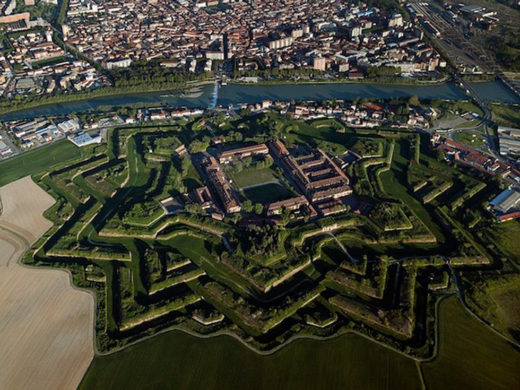
We must make a special mention of the citadel fortress on the other side of the Tanaro river, masterpiece of military architecture building began in 1728 on a project by Ignazio Bertola, architect of the Savoy court. The military forces vacated it recently and now the citadel is the object of discussion regarding how to reuse it.
Alessandria, famous “capital of hats” was for a long time identified with the legendary hat factory founded in 1857 by Giuseppe Borsalino, now the premises of the Alessandria university; another masterpiece of rationalism dating back to the nineteen-thirties is the tuberculosis dispensary, work of the master architect Ignazio Gardella, who was a relative of the Borsalino family and who was assigned the designs of many prominent works in the city.
In the area around Alessandria we should mention in particular the monumental complex of Santa Croce in Bosco Marengo, which Pope Pius V ordered built and where inside it is possible to admire some important frescoes by Vasari and works of art by Moncalvo ; Castellazzo Bormida with the watch tower and the Sanctuary of Madonna della Creta, which pope Pius XII proclaimed in 1947 as “Heavenly patron saint of motorbike riders from all over the world”, and where each year an international rally of motorcyclists is held in the second weekend of July.
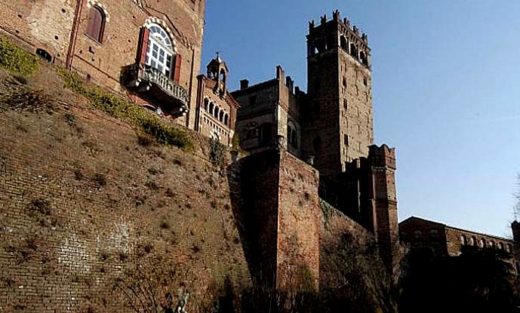
Sitting on the Lomellina border, Valenza is the European capital of gold and precious stones, where jewellery is designed and made and sent out to the markets of all and sundry; it is worth visiting Piovera castle, a manor house that dates back to the 14th century and that hosts an evocative historical pageant in September; Montecastello with its 13th century manor house, barbican walls and adjacent township; the castle of Pomaro, also thirteenth century and rebuilt in the XVII century; the Garzaia di Valenza, a wetlands reserve near the Belvedere farmstead in the Po and Orba river park where you can go bird watching with guides for marsh harriers, storks and kestrels.
The Alessandria zone is a farming land by tradition and vocation and its cuisine is based on the quality and excellence of the products of the earth and is enhanced by external influences that have accumulated over the centuries.
The Alessandria style agnolotti pasta filled with stewed meat are typical; and the rabaton, ricotta and herb gnocchi cooked in broth, drained and served with butter and parmesan cheese; salami and sausages made from just beef, boiled or grilled; lacabon, sticks of candyfloss and honey typical of the festival to celebrate Santa Lucia; truffle is fêted in the food and wine fairs in San Baudoliono, dedicated to the patron saint of the city of Alessandria and in Bergamasco, a zone that is particularly flourishing with truffles and “trifolao” or truffle hunters.
One curiosity is the “pollo alla marengo” (chicken Marengo-style), whose history seems to date back to the famous battle; historians claim that Napoleon sat down at the table at around three in the afternoon, when the fates of the battle seemed by then compromised and ordered chicken to be served to him, then he continued to have it served to him as the “victorious chicken”, to the point of opening up the emperor’s court to the “mandrogna” recipe.