The Novi and Gavi zones are historically tied to Genoa and for centuries were the road and trade hinterland of that republic, as is testified by the attribute “ligure” that accompanies the name of some municipalities in the area. The Novi zone is also the traditional summer resort for Ligurian who over the centuries have constructed some very prestigious homes and villas there.
In all likelihood, a primitive residential settlement in this land squeezed between the Scrivia and Lemme valleys was generated by the breaking up of the Roman city of Libarna, whose excavations are today one of the most interesting and sites in lower Piedmont, and filled with history. The archaeological area is one of the largest in Italy and has been turned into a park; it is an important testimony to the study of the urban layout in Roman times, through the remains of the amphitheatre and theatre, the paved streets, the courtyards, the residential centres and the shops.
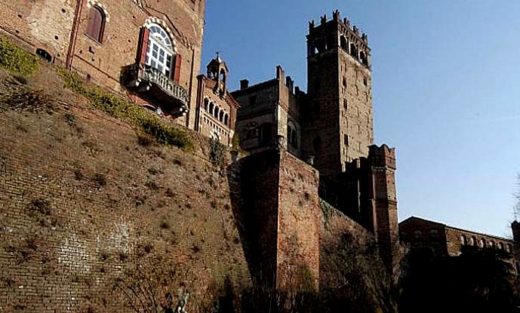
The main city in the Novi zone is Novi Ligure. The Novi of old, enclosed behind the old medieval walls (very few traces of these now remain) stayed more or less unchanged until the first half of last century, when the outer walls were knocked down to make room for new construction. One of the very few buildings outside the walls was the small, early-medieval church of Madonna della Pieve. Interesting things to see in the historical centre include the civilian residences, as well as public constructions such as the Castle, the Marenco theatre, the Porticoes, along with the religious buildings like the church of the Collegiate of S.Maria; if you keep your eyes up as you wander around the streets you can gaze at the painted facades, a real outdoor museum that changes colour in each season and at each hour of the day.
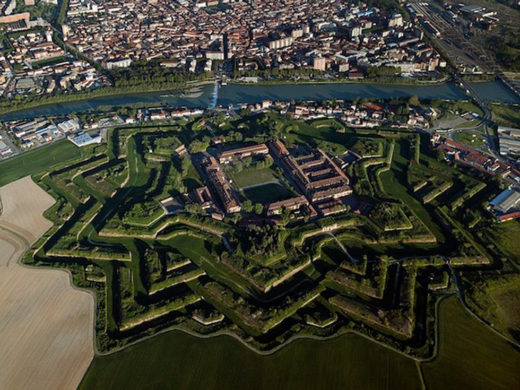
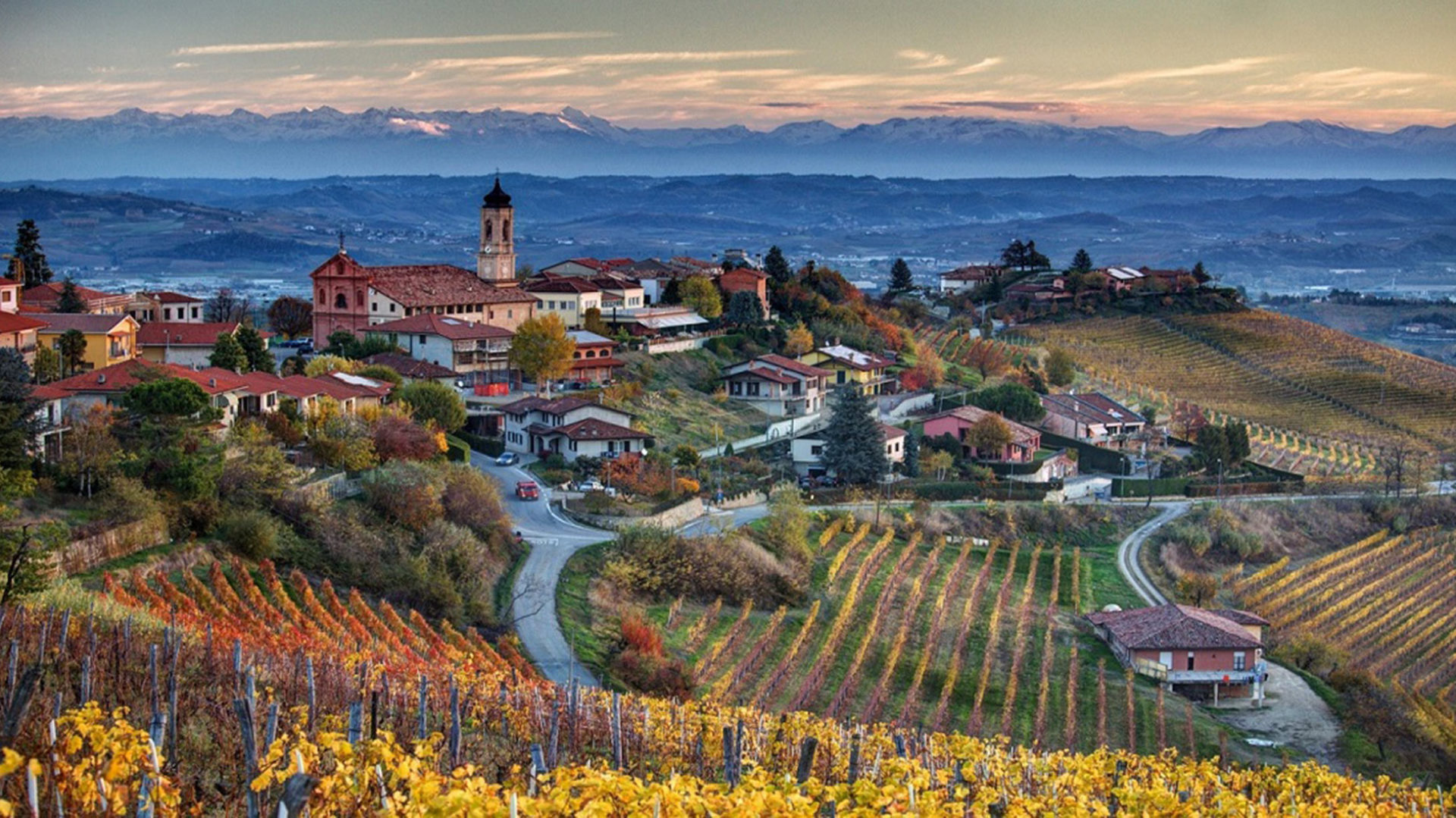
Another important town centre is Gavi, famous all over the world for its wine, located in a delightful hilly zone at the foot of its majestic Fort, which sits in a strategic position in the past centuries as the passage of the republic of Genoa into the hinterland. The numerous renaissance villas sitting on the hills behind Gavi and half hidden by the parks and vineyards are of distinguished beauty.
From the provincial capital, in the Novi plain we mustn’t forget a visit to Bosco Marengo and the monumental church of Santa Croce, which Pope Pius V ordered to be built; the interior houses some important frescoes by Vasari and works by Moncalvo.
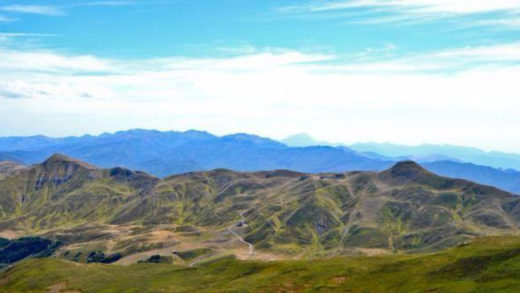
You will be rewarded with some delightful scenic views as you head up the Valle Lemme to Voltaggio, situated at the foot of the Capanne di Marcarolo Park, where you can visit the Capuchin convent, or if you arrive at the park via Bosio you can visit the Memorial to the Martyrs of the Benedicta. The Park area dominated by mount Tobbio, has sanctuary at the top that can only be visited on 26 May and 4 September. Its unusual climate is the result of the confluence of mountain and sea currents, and it plays host to both Alpine and Mediterranean flora and fauna. Symbol of the park is the Circcaetus gallicus, a short-toed eagle with a wing span of two metres, which comes here to nest each year.
Valle Borbera is also a must see area, full of natural beauties, tradition, culture, gastronomy and history; inhabited by the Ligurians since the iron age, it became a Roman settlement and a territory contested by Tortona and Genoa in the Middle Ages, only passing to the Province of Alessandria in 1859, to become stage to hostilities during the war of liberation.
The gastronomic tradition in this part of the province is truly abundant, beginning from the ravioli, created in the XII century with a meat and borage filling; they are traditionally eaten in broth, in a bowl with red wine or “culo nudo”, plain with just a little cheese. Apart from the classic dishes of the Ligurian lower Apennines, another dish that stands out is the troffie arquatesi (small gnocchi made from chestnut and wheat flour) served with basil pesto. Novi is particularly famous for its “corsetti”, a round pasta stamped with a special wooden stamp bearing the image of the altar piece of St. Andrea or the medieval parish Church or other religious or aristocratic symbols; this dish is usually served with mushroom and sausage sauce that the Novi locals call “il tocco”.
Many small shops in the Novi zone make the tasty, sweet-smelling focaccia stirata (stretched) or fried with sugar, olives, sage and onion, but Novi has always been considered one of the Italian capitals of sweets, and alongside the great chocolate industries that make the Novi zone a real sweets centre, we must also remember the biscuit production: baci di dama, canestrelli and amaretti di Gavi. Other productions of the Novi tradition include Montebore (an almost unobtainable excellent cheese made in the typical shape of a castle), fagiolane, a local peasant dish that dates back to ancient times, and testa in cassetta, typical cured meat of the Borbera Valley. Wines are the Dolcetto and Barbera and others that are typical of the lower Piedmont area, but the one that stands out above the rest and that is famous all over the world is the Cortese.